October 30, 2026
Why Community Events Thrive at a Pizza Restaurant
By @reidualc268
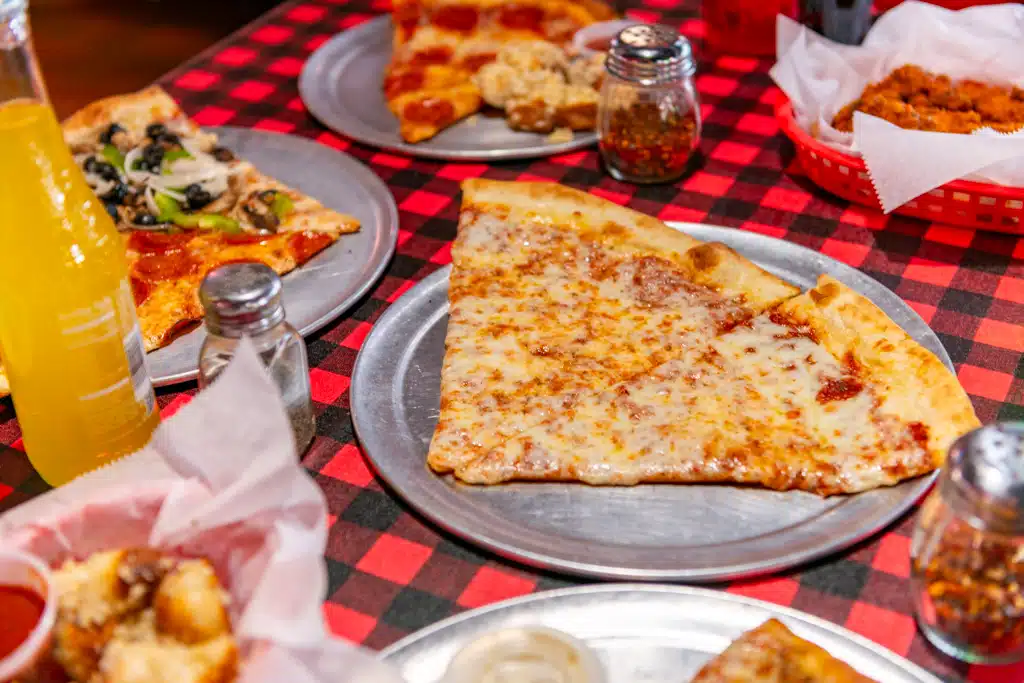

A community event can happen almost anywhere, but some places make it easier for people to show up, settle in, and actually enjoy one another. A pizza restaurant sits near the top of that short list. Not because it is trendy, and not because it tries too hard, but because it solves several practical problems at once. It feeds groups affordably. It keeps the mood relaxed. It works for families, coworkers, volunteers, sports teams, church groups, school clubs, and neighbors who simply want a reason to gather.
That combination matters more than many operators realize. When people choose a venue for a fundraiser, team banquet, trivia night, teacher appreciation dinner, or candidate meet-and-greet, they are quietly asking a series of logistical questions. Can people find parking? Will kids eat the food? Can late arrivals join without disrupting service? Will the bill be manageable? Is the atmosphere welcoming enough that no one feels out of place? A well-run pizza restaurant answers yes to most of those questions before the first invitation goes out.
Over the years, restaurants that become local fixtures often do so by becoming more than places to eat. They turn into predictable, useful third spaces, dependable enough for ordinary Tuesday dinners and lively enough for milestone moments. Pizza, perhaps more than any other casual meal, supports that role naturally.
The food removes friction
The strongest reason community events work in a pizza restaurant is simple: almost everyone understands the format. Guests do not need a long explanation of the menu, they do not need to commit to a high check average, and they do not have to wait for a formal plated service to begin. A pizza lands on the table and people start talking.
That sounds obvious, but it has real operational value. Friction kills attendance. If a host worries that half the guests will ask for substitutions, or that the ordering process will create delays and awkwardness, the event becomes harder to plan. Pizza simplifies all of it. Groups can pre-order whole pies, add salads and simple sides, and keep the event moving. It is one of the few meals that works equally well for ten people at two pushed-together tables and for eighty people rotating through a back room over two hours.
There is also a psychological ease to shared food. Individual entrées can make guests feel locked into choices and costs. Shared pizza encourages flexibility. One person grabs a slice of pepperoni, another tries the veggie pie, a child eats plain cheese, and nobody feels as though they made a wrong decision. The meal becomes communal by default.
For hosts, the math tends to be friendlier too. In many markets, a group can feed a room far more economically with pizza than with sandwiches, buffet catering, or full-service dinners. That matters for nonprofits, youth organizations, school booster clubs, and local businesses watching event budgets. When the per-person cost stays reasonable, turnout often improves because fewer people hesitate over price.
The room feels informal in the best possible way
Atmosphere matters, but not always in the way people expect. Community events usually do better in spaces that feel comfortable rather than impressive. A pizza restaurant often strikes that balance cleanly. It is social without being stiff, busy without being intimidating, and casual without looking careless.
People behave differently in a room where they feel permission to relax. Parents do not panic if a child talks a little too loudly. Coaches can stand and thank the team without requiring a microphone and a ballroom setup. A local author can host a paperback launch where friends wander in after work wearing whatever they had on all day. That informality broadens the guest list. People who might skip a banquet or hotel event will often say yes to a neighborhood pizza spot.
This is especially true for mixed-age gatherings. Community life is rarely segmented as neatly as event planners imagine. There are toddlers, grandparents, teenagers, and adults in work clothes all in the same room. A pizza restaurant can absorb that range better than most venues. It does not demand too much formality from anyone, and that lowers social pressure.
A lot of event success comes down to whether guests feel comfortable arriving alone. At a pizza restaurant, solo arrivals usually blend in quickly. They can order a drink, join a table, and settle without that uneasy feeling some people get in more polished venues. That makes a difference for networking events, neighborhood association meetings, and first-time volunteer gatherings where not everyone knows one another.
Service can flex with the event
The best community venues are not just pleasant. They are forgiving. Events rarely unfold exactly as scheduled. A team bus arrives twenty minutes late. A storm pushes half the guests back by half an hour. A fundraiser expected forty people and got sixty-five. A pizza restaurant is unusually well suited to those fluctuations.
The kitchen can usually scale faster than a made-to-order entrée line. Additional pies can be fired with less disruption than a wave of individual steak or pasta orders. Servers can reset tables and refresh drinks while the food remains simple enough to keep the flow steady. That flexibility gives hosts breathing room.
Operationally, many pizza restaurants also have layouts that support different event styles. A few tables can be reserved for a scout troop. A side room can hold a school committee meeting. A patio can host live music when weather cooperates. A counter-service model can work for a casual social, while table service suits a more structured celebration. The same venue can feel different depending on how it is staged.
That said, flexibility is not automatic. Restaurants that thrive with events usually develop systems. They know how many pizzas feed a youth team versus an adult office group. They know when to pre-set drinks, when to keep checks separate, and when to insist on a limited event menu. They train staff to read the room. A fundraiser with children and grandparents does not need the same pacing as a fantasy football draft or a local chamber mixer.
When operators get this right, community events stop feeling like disruptions to normal business and start becoming an extension of it.
Pizza fits the emotional tone of local life
Some foods carry ceremony. Pizza carries permission. It tells guests they can laugh, reach across the table, grab another slice, and stay a little longer. That emotional ease is a major reason so many milestone and semi-milestone events gravitate toward a pizza restaurant.
Not every community gathering is solemn, but even the meaningful ones often benefit from a little looseness. Think about the range of events that need warmth more than polish: a youth team end-of-season party, a school fundraiser after a long week, a neighborhood clean-up volunteer dinner, a casual memorial gathering, a birthday where three generations show up, or a benefit night for a family facing medical bills. These occasions ask for hospitality first. They ask for a room that lets people be people.
Pizza helps because it is familiar in a nearly universal way. Guests do not need cultural or culinary background to understand it. Familiar food creates a shared baseline, and shared baselines are the https://jasperzsmi887.tearosediner.net/why-a-pizza-restaurant-is-a-smart-choice-for-office-lunches foundation of community life. When people already know the meal, they can focus on the event itself.
There is another emotional factor at work: nostalgia. For many people, pizza is linked with birthdays, post-game dinners, college nights, family weekends, and neighborhood traditions. That memory makes gatherings feel less transactional. A restaurant that taps into those associations honestly, without forcing a gimmick, often becomes part of the local emotional map.
The economics make recurring events possible
One successful event is useful. A monthly event is transformative. Recurrence is where community ties deepen, and pizza restaurants have a real advantage here because the economics often allow groups to come back.
A higher-end private venue may work once a year for a gala, but it is rarely where a parent group meets every month. A coffee shop may suit small meetings, but can struggle once attendance grows or dinner hours matter. A pizza restaurant sits in the sweet spot between affordability, capacity, and energy.
For organizers, recurring events require predictability. They need to know roughly what attendance will cost, whether the room can be set in a familiar way, and whether guests will continue to show up without event fatigue. Pizza supports that rhythm because it remains accessible. People may hesitate to attend repeated expensive dinners, but they rarely balk at another pizza night if the event itself has value.
For owners, recurring events can smooth out slower periods. A Tuesday fundraiser, a Wednesday trivia series, or a first-Monday school board social can bring in reliable volume on nights that might otherwise be uneven. That only works if the event does not cannibalize profitable traffic or overwhelm the kitchen, but when the match is right, the relationship benefits both sides.
The strongest partnerships usually share a few traits:
- The group has a clear draw and realistic attendance expectations.
- The restaurant sets boundaries around timing, menu, and staffing.
- Both sides promote the event consistently, not just once.
- The economics are simple enough that guests understand the offer.
- The experience is good enough that people want the next date on the calendar.
Those points sound basic, yet many weak restaurant events fail because one of them was missing. Either the group assumed the restaurant would market everything, or the restaurant overpromised space and underplanned service. Community events thrive when expectations are clear and the setup respects the realities of restaurant operations.
Families make or break local events, and pizza brings them in
If a community event excludes families, it cuts out a large share of local participation. This is one of the biggest reasons the pizza restaurant remains such a durable venue. It is one of the few places where adults can socialize and children can be accommodated without elaborate planning.
Parents often make attendance decisions quickly. Is there food the kids will actually eat? Is the setting forgiving if a child gets restless? Can one parent arrive later? Can the family stay within budget without stress? Pizza checks those boxes better than most restaurant formats.
That family compatibility changes the social makeup of events. Instead of creating separate adult and kid spaces, a pizza restaurant can hold both at once. Teachers can talk with parents while children eat. Sports teams can celebrate with siblings included. Church volunteers can bring their families rather than choosing between participation and childcare.
The practical details matter here. Booth seating helps. Quick food delivery helps. Refillable drinks help. A little ambient noise helps, because it lowers the pressure on parents. Even simple menu flexibility, such as half-and-half pies or a few allergy-aware options, can broaden attendance materially.
Of course, family-friendliness has limits. A late-night networking event with a speaker may not benefit from twenty children running around. But that is where good scheduling and room assignment matter. The point is not that every event should be family-oriented. It is that a pizza restaurant can support family participation when the event calls for it, and many community events do.
The format encourages interaction instead of performance
Some venues unintentionally turn gatherings into performances. Guests sit in rows, face a stage, and consume the event rather than participate in it. A pizza restaurant pushes the energy in the opposite direction. People sit in clusters. They reach for food. They interrupt one another comfortably. They move around.
That physical setup encourages conversations that actually build relationships. A local business owner chats with a school principal. A new resident meets the neighborhood block captain. A volunteer coordinator recruits two more helpers while waiting for the next pie. Those side conversations are often the real value of community events, and they happen more naturally around tables than in theater seating.
Even structured events benefit from this. Trivia nights work because teams huddle and debate. Fundraisers work because supporters mingle and compare stories. Club meetings work because formal agenda time gives way to smaller personal exchanges. Pizza restaurants do not force every eye forward all night. That turns out to be a strength.
In my experience, the events people remember most are rarely the most polished ones. They are the ones where they unexpectedly met someone helpful, reconnected with a neighbor, or stayed forty-five minutes longer than planned because the room felt easy. Pizza restaurants create that kind of lingering. That matters.
Operators can shape the room without overproducing it
A community event does not need theatrical production to feel intentional. In fact, too much staging can make a local gathering feel artificial. A pizza restaurant has a natural advantage because a few smart adjustments often go a long way.
A rearranged seating plan can create a semi-private zone. A printed event menu can speed ordering. A chalkboard sign at the entrance can welcome guests by name. A reserved slice table for late arrivals can keep the flow smooth. A dedicated staff point person can prevent confusion before it starts. None of those changes require a full private-events department, yet they improve the guest experience immediately.
There is a useful middle ground between doing nothing and overengineering the event. The best restaurants live there. They preserve the comfortable identity guests came for while making enough adjustments to show that the group matters.
This balance becomes especially important with fundraisers and cause-based events. If the restaurant turns the night into a hard sell, guests can feel manipulated. If it ignores the purpose entirely, the event loses momentum. The right tone is visible support with restrained execution.
A few practical choices make a big difference:
- Confirm a realistic guest count range, not just one fixed number.
- Limit the event menu when kitchen capacity is tight.
- Designate where speeches or announcements will happen.
- Clarify payment structure in advance, especially for large groups.
- Set an end time that protects both staff and regular guests.
These habits do not make an event less welcoming. They make it sustainable. A restaurant can be generous and community-minded while still operating like a business.
Local identity grows through repetition and memory
Community life is built less by grand gestures than by repeated, ordinary experiences. The restaurant where the team always meets after a game. The place where the school hosts spirit nights. The room where candidates shake hands before local elections. The booth where committee members end every meeting with one more slice. Over time, those repetitions become local culture.
A pizza restaurant is particularly good at collecting that kind of memory because it sits at the intersection of convenience and comfort. People can afford to return. They can bring different guests. They can remember the food and the occasion at the same time. That is how a business becomes woven into the identity of a town or neighborhood.
Owners sometimes underestimate the value of this role because the events themselves can look modest on paper. A twenty-person club dinner does not seem spectacular. A monthly teacher night may not feel groundbreaking. Yet those events create word-of-mouth, cross-generational familiarity, and emotional loyalty that standard advertising rarely buys.
There is a long-term commercial benefit here, but it grows from trust rather than promotion. When families, coaches, organizers, and local leaders repeatedly have good experiences hosting events at a pizza restaurant, they stop thinking of it as one option among many. It becomes the default answer.
That status is hard won. It depends on food quality being dependable, service being gracious under pressure, and management being realistic about what the restaurant can and cannot host. A badly handled event can travel through a community fast. So can a good one. The difference often comes down to details that guests barely notice consciously, whether the pizzas arrived when promised, whether the room felt ready, whether the staff treated the organizers like partners rather than inconveniences.
Why this model endures
Trends in dining come and go. Community behavior changes. Budgets tighten. Attention spans shrink. Yet the basic strengths of the pizza restaurant as an event venue remain stubbornly relevant because they answer enduring human needs. People want affordable places to gather. They want food that feels easy and generous. They want settings where different ages and personalities can share the same room without strain.
That is why community events continue to thrive in a pizza restaurant. The meal is familiar, the cost is manageable, the service model is adaptable, and the atmosphere invites participation rather than performance. Most of all, pizza restaurants tend to support the kind of unforced social experience that communities are built on, ordinary conversations, repeat visits, and shared tables that make people feel they belong.
When a restaurant understands that role and handles it with care, it becomes more than a place that serves dinner. It becomes part of the town’s routine, memory, and civic life. Few business models can claim that honestly. The neighborhood pizza restaurant often can.
❧